
Category: Spanish
-
PA24-EvaluationLosses_ES
Posted on
by
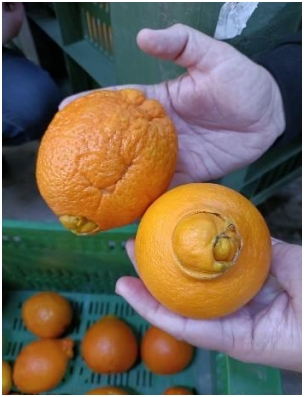
Dentro de la evaluación de los productos agrícolas en la Comunitat Valenciana del proyecto ToNoWaste, una acción específica se centra en la evaluación de las pérdidas en la producción de naranjas, en colaboración con COPOBLA, centrándose en seis fases, desde la recogida […]
-

PA23-QualitityStandards_ES
Posted on
by
El REGLAMENTO (UE) 2021/1890 DE LA COMISIÓN DELEGADA por la UE establece unas condiciones mínimas de calidad, denominadas categoría II, para la comercialización de cítricos, que permiten ciertos defectos como la forma, el color y las imperfecciones de la piel, siempre que […]
-
PA22-ManagementHortofruit_ES
Posted on
by
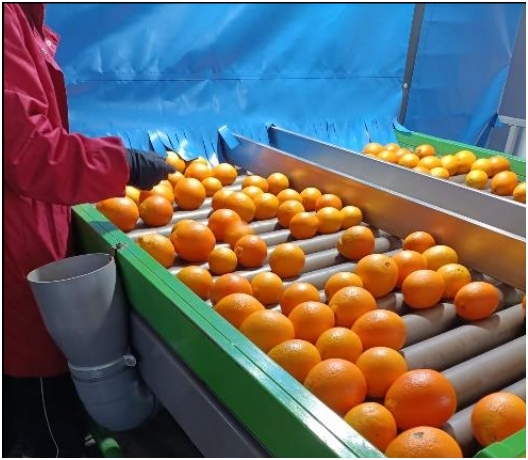
La gestión de los centros hortofrutícolas se centra en el acondicionamiento de productos agrícolas frescos, especialmente cítricos, en los que operaciones como el tratamiento, la refrigeración y el control de existencias influyen significativamente en la calidad de la fruta y en las […]
-
PA20-MontpellierVisit_ES
Posted on
by
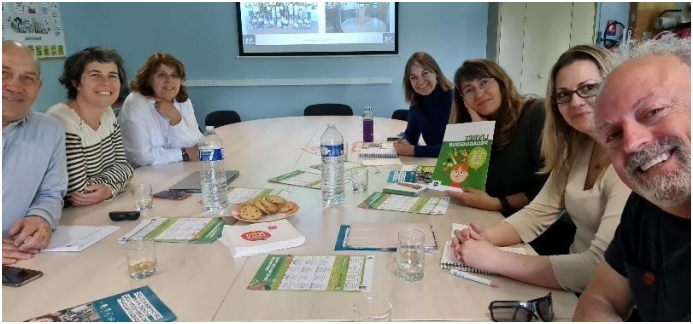
El equipo piloto de ToNoWaste València visitó Montpellier para estudiar sus estrategias de reducción del desperdicio alimentario, colaborando con organizaciones locales como Cuinatur, CIRAD, Universitat Jaume I, y otras, explorando procesos innovadores de mejora de la calidad de los alimentos, colaborando con […]
-
PA15-FoodChain_ES
Posted on
by
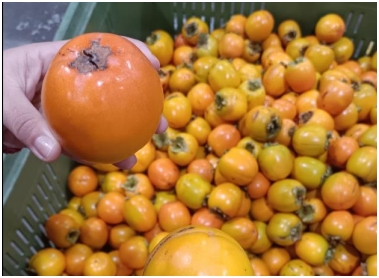
El proyecto ToNoWaste tiene como objetivo analizar y cuantificar las pérdidas de alimentos en las primeras etapas de la cadena de producción de cítricos y caquis en la Comunidad Valenciana para identificar las causas y desarrollar prácticas sostenibles que minimicen las pérdidas […]
-

PA14-FoodIndustry_ES
Posted on
by
El sector de la distribución alimentaria puede reducir el desperdicio de alimentos y mejorar la sostenibilidad participando en colaboraciones entre múltiples partes interesadas, fomentando la transparencia, educando a los consumidores, participando en programas de donación de alimentos, normalizando el etiquetado de fechas, […]
-

PA9-MercavalenciaStrategy_ES
Posted on
by
La Universitat Politècnica de València ha desarrollado indicadores para establecer una línea de base y medir la eficacia de un proyecto piloto destinado a reducir el desperdicio alimentario en Mercavalència, evaluando la cantidad de alimentos perdidos y recuperados, la implicación de entidades […]
-
PA8-Mercavalencia_ES
Posted on
by
El proyecto ToNoWaste examina los retos y características de la prevención y reducción del desperdicio alimentario en el mercado mayorista de Mercavalència, destacando problemas como los plazos limitados, las mentalidades tradicionales resistentes al cambio, la percepción inadecuada del desperdicio alimentario, la falta […]
-
PA6-CriticalPoints_ES
Posted on
by
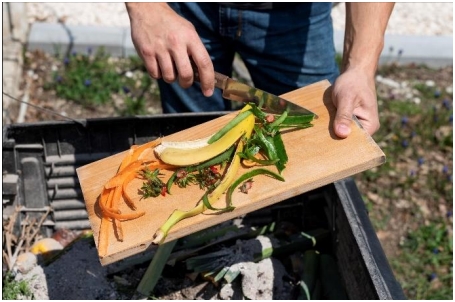
El análisis de los puntos críticos de la planificación, distribución, preparación y consumo de alimentos en un comedor escolar pone de manifiesto la necesidad de optimizar los cálculos de los pedidos, una logística inteligente, campañas de concienciación y formación de monitores para […]
-
PA4-ValenciaPilot_ES
Posted on
by
El paquete de trabajo inicial del proyecto ToNoWaste en Valencia se centra en la creación de un marco de toma de decisiones para que las partes interesadas prevengan y reduzcan el desperdicio de alimentos, destacando las percepciones culturales, la adaptación de la […]